

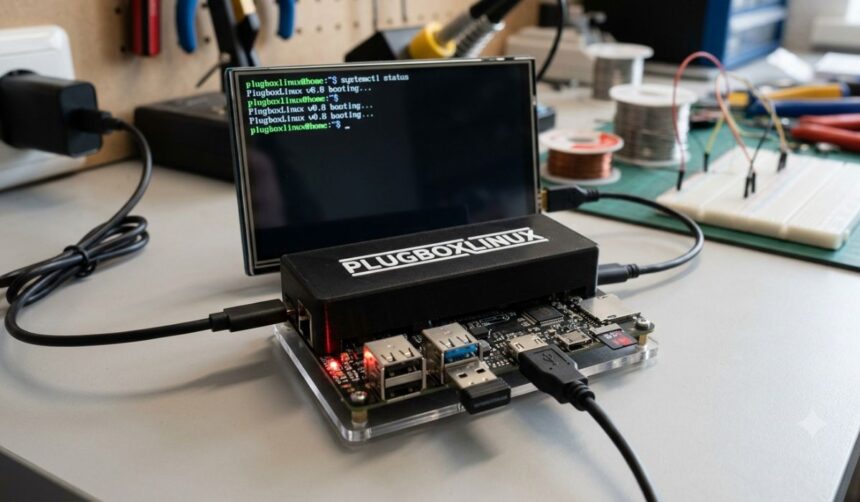
Plugboxlinux microcomputing has become a notable topic among technology enthusiasts seeking efficient and lightweight computing solutions. Built around minimalist Linux principles, it focuses on maximizing performance while minimizing hardware requirements. This guide explores the origins, uses, benefits, hardware ecosystem, and future potential of Plugboxlinux microcomputing in detail.
Quick Bio
| Feature | Details |
|---|---|
| Keyword | Plugboxlinux Microcomputing |
| Definition | A lightweight Linux-based microcomputing approach designed for compact and efficient hardware systems |
| Origin | Inspired by minimalist Linux distributions and ARM-based computing platforms |
| Primary Use | Embedded computing, home servers, IoT projects, and educational environments |
| Industry | Information Technology, Embedded Systems, Open Source Computing |
| Common Materials | Single-board computers, ARM processors, storage media, networking components |
| Popular Applications | Home automation, media servers, network appliances, development environments |
| Operating Model | Lightweight Linux architecture with optimized resource usage |
| Key Benefit | High performance on low-power hardware |
| Typical Users | Developers, hobbyists, educators, system administrators |
What Is Plugboxlinux Microcomputing?
Out of small parts comes something clever – Linux lightened down, made to fit tight spaces. Hardware shrinks, yet still carries full function. A different kind of machine breathes inside these tiny boxes. Efficiency shows up when code runs lean. Size fools you; power hides in simplicity. What looks minimal does more than expected. Built this way, systems stay close to the metal. Each piece placed with care, nothing wasted.
Starting off differently, it focuses on getting things done without waste, shaped to fit needs, using little power. Still, it moves easily like any system built on Linux should.
Historical Origins of Plugboxlinux
The roots of Plugboxlinux can be traced to the rise of compact computing devices and ARM-based architectures.
As developers searched for alternatives to resource-heavy operating systems, lightweight Linux solutions emerged to serve embedded devices and low-power computers effectively.
Early Linux-Based Embedded Computing
Early embedded Linux systems focused on networking equipment, industrial controllers, and specialized hardware.
These projects demonstrated that robust computing could operate successfully with limited memory and processing power.
Understanding Microcomputing
Microcomputing involves using compact computers designed to perform tasks that once required significantly larger systems.
Advancements in processor technology have enabled microcomputers to deliver impressive performance while consuming minimal energy.
Key Characteristics of Microcomputing
- Small physical footprint
- Low energy consumption
- Affordable deployment costs
- Flexible software environments
- Easy scalability
Core Components of Plugboxlinux Microcomputing
Several hardware and software elements work together within a Plugboxlinux environment.
These components determine overall performance, reliability, and usability.
Hardware Foundation
Common hardware includes:
- ARM processors
- Single-board computers
- Flash storage devices
- Ethernet interfaces
- Wireless networking modules
Software Stack
The software layer typically includes:
- Linux kernel
- Package management systems
- Command-line utilities
- Network management tools
- Development frameworks
Benefits of Plugboxlinux Microcomputing
Many users adopt Plugboxlinux microcomputing because it delivers practical advantages beyond traditional desktop systems.
The platform emphasizes efficiency without sacrificing flexibility.
Major Advantages
- Reduced power consumption
- Lower hardware costs
- Fast boot times
- Enhanced customization
- Long-term reliability
Popular Hardware Platforms
Several microcomputing devices can support lightweight Linux deployments.
The choice depends on performance requirements and intended applications.
Common Device Categories
- Single-board computers
- Embedded controllers
- Mini servers
- Development boards
- Educational computing kits
These platforms provide excellent environments for experimenting with Linux-based systems.
Plugboxlinux in Home Server Projects
One of the most popular uses for Plugboxlinux microcomputing is home server deployment.
Users frequently create personal cloud systems, file servers, and media streaming solutions using compact hardware.
Typical Home Server Functions
- Network storage
- Backup management
- Media streaming
- Web hosting
- Remote access services
Embedded Systems and IoT Applications
Embedded computing represents a natural fit for lightweight Linux environments.
Many Internet of Things devices benefit from efficient resource management and reliable performance.
Common IoT Deployments
Examples include:
- Smart home controllers
- Environmental monitoring systems
- Industrial sensors
- Security systems
- Automation platforms
Educational Value of Plugboxlinux Microcomputing
Educational institutions increasingly use microcomputing platforms to teach programming and system administration.
Students gain hands-on experience with Linux fundamentals while working on affordable hardware.
Skills Developed
- Linux administration
- Networking concepts
- Software development
- Hardware integration
- Cybersecurity basics
Security Considerations
Security remains essential regardless of system size.
Proper configuration helps maintain system integrity and protect connected devices.
Recommended Practices
- Regular software updates
- Strong authentication policies
- Firewall implementation
- Secure remote access
- Routine backup procedures
Performance Optimization Techniques
A major appeal of Plugboxlinux microcomputing is the ability to fine-tune performance.
Users can optimize systems according to specific workloads and hardware capabilities.
Optimization Strategies
- Disable unnecessary services
- Use lightweight applications
- Monitor resource usage
- Optimize storage performance
- Configure efficient networking
Commercial Uses and Industry Adoption
Businesses increasingly deploy compact Linux systems for specialized workloads.
Their affordability and reliability make them attractive for numerous commercial applications.
Industry Examples
- Retail kiosks
- Digital signage
- Manufacturing controls
- Network monitoring
- Edge computing infrastructure
Future Trends in Plugboxlinux Microcomputing
The future appears promising as hardware continues becoming more powerful and energy-efficient.
Advances in ARM processors, AI acceleration, prime wire and edge computing will likely expand deployment opportunities.
Emerging Developments
- AI-enabled microcomputers
- Advanced edge computing
- Improved energy efficiency
- Enhanced security architectures
- Greater cloud integration
Challenges and Limitations
Despite numerous strengths, certain limitations exist.
Understanding these challenges helps users choose the right platform for their needs.
Common Constraints
- Limited processing power compared to desktops
- Restricted memory resources
- Hardware compatibility variations
- Learning curve for beginners
Why Developers Prefer Plugboxlinux Microcomputing
Developers appreciate the balance between flexibility and efficiency.
The open-source nature of Linux allows extensive customization while maintaining full control over system resources.
This combination makes Plugboxlinux microcomputing attractive for experimentation, prototyping, and production deployments.
Conclusion
Out there among tiny computers, Plugboxlinux stands out by keeping things light and workable. Efficiency joins hands with low cost, adaptability tags along, while open tools let users reshape it freely – perfect for coders, teachers, companies, even tinkerers on weekends. When setting up a personal server, rolling out smart gadgets, or diving into how Linux works, this setup holds steady beneath. Always changing, always catching up with what new tech brings next.
FAQs
1. What is Plugboxlinux microcomputing used for?
Plugboxlinux microcomputing is commonly used for home servers, IoT projects, embedded systems, development environments, media centers, and network services that require efficient resource usage.
2. Is Plugboxlinux microcomputing suitable for beginners?
Yes. Beginners can learn Linux administration, networking, programming, and hardware integration through hands-on projects using affordable microcomputing devices.
3. What hardware works best with Plugboxlinux microcomputing?
Single-board computers, ARM-based systems, embedded controllers, and compact server hardware are typically the most suitable platforms for lightweight Linux deployments.
4. What are the main advantages of Plugboxlinux microcomputing?
Key advantages include low power consumption, reduced costs, customization flexibility, efficient performance, compact size, and strong support from open-source communities.
5. How does Plugboxlinux microcomputing support future technologies?
Its lightweight architecture aligns well with edge computing, artificial intelligence workloads, IoT ecosystems, and next-generation embedded applications, making it relevant for future technology developments.
Disclaimer
This article is intended for informational and educational purposes only. While every effort has been made to provide accurate and up-to-date information about Plugboxlinux microcomputing, some details may be based on publicly available sources, community discussions, or general industry knowledge. Readers should verify technical specifications, software compatibility, and project-related information through official documentation and trusted sources before making decisions based on this content.
The article is not affiliated with, endorsed by, or sponsored by any official PlugboxLinux project, organization, or trademark holder. Any product names, trademarks, or brand references mentioned remain the property of their respective owners. Information may change over time as technologies, software distributions, and hardware platforms evolve.